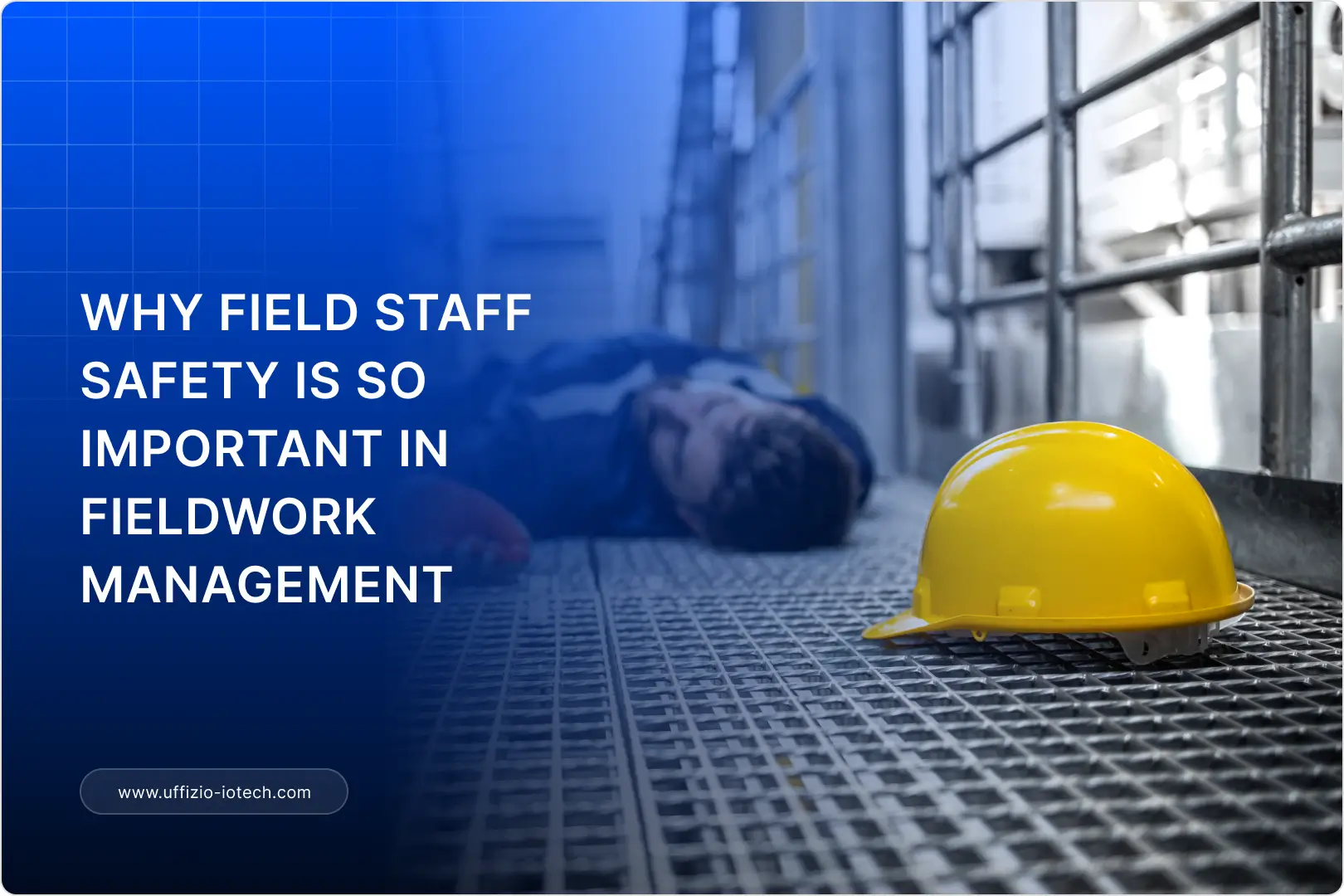
Field staff safety is a must. For any business, it is most important to keep its workforce safe. According to the International Labour Organization, over 2.3 million workers around the world die annually due to work-related accidents or diseases.
That’s nearly 6,000 deaths every single day. And when it comes to field staff—technicians, utility workers, sales teams, delivery agents—they often work in unpredictable environments. The risks are genuine, and there may be terrible consequences.
So, let’s talk about it—not in a stiff corporate tone. Let’s have a real conversation about field staff safety—what it is, why it’s important, and how companies can do better.
What is Field Staff Safety?
Field staff safety is all about protecting employees who work outside traditional office spaces. Whether it’s someone climbing cell towers, delivering packages across city roads, or servicing machines in remote areas, these professionals face risks that most office workers never encounter.
And it’s not just physical safety—think environmental exposure, mental stress, lack of real-time support, and sometimes, even dealing with aggressive customers.
Companies often invest heavily in operations but overlook safety protocols. That’s not just risky—it’s costly. One accident can lead to lawsuits, medical expenses, and reputation damage. Worse, it can cost a life.
Companies often invest heavily in operations but overlook safety protocols. That’s not just risky—it’s costly. One accident can lead to lawsuits, medical expenses, and reputation damage. Worse, it can cost a life.
Why Is Field Staff Safety Often Ignored?
Let’s be honest—safety isn’t glamorous. Sales and productivity always steal the spotlight.
Here’s the usual thinking:
- “We’ve never had a major incident, so why change now?”
- “Safety equipment and tech are too expensive.”
- “The team’s experienced—they know what they’re doing.”
But none of these arguments hold up when disaster strikes. Proactive investment in field workforce safety isn’t just about compliance—it’s about showing that a business values its people.
Key Challenges to Field Staff Safety
Let’s break it down. Why is field staff safety difficult to manage?
1. Lack of Real-Time Visibility
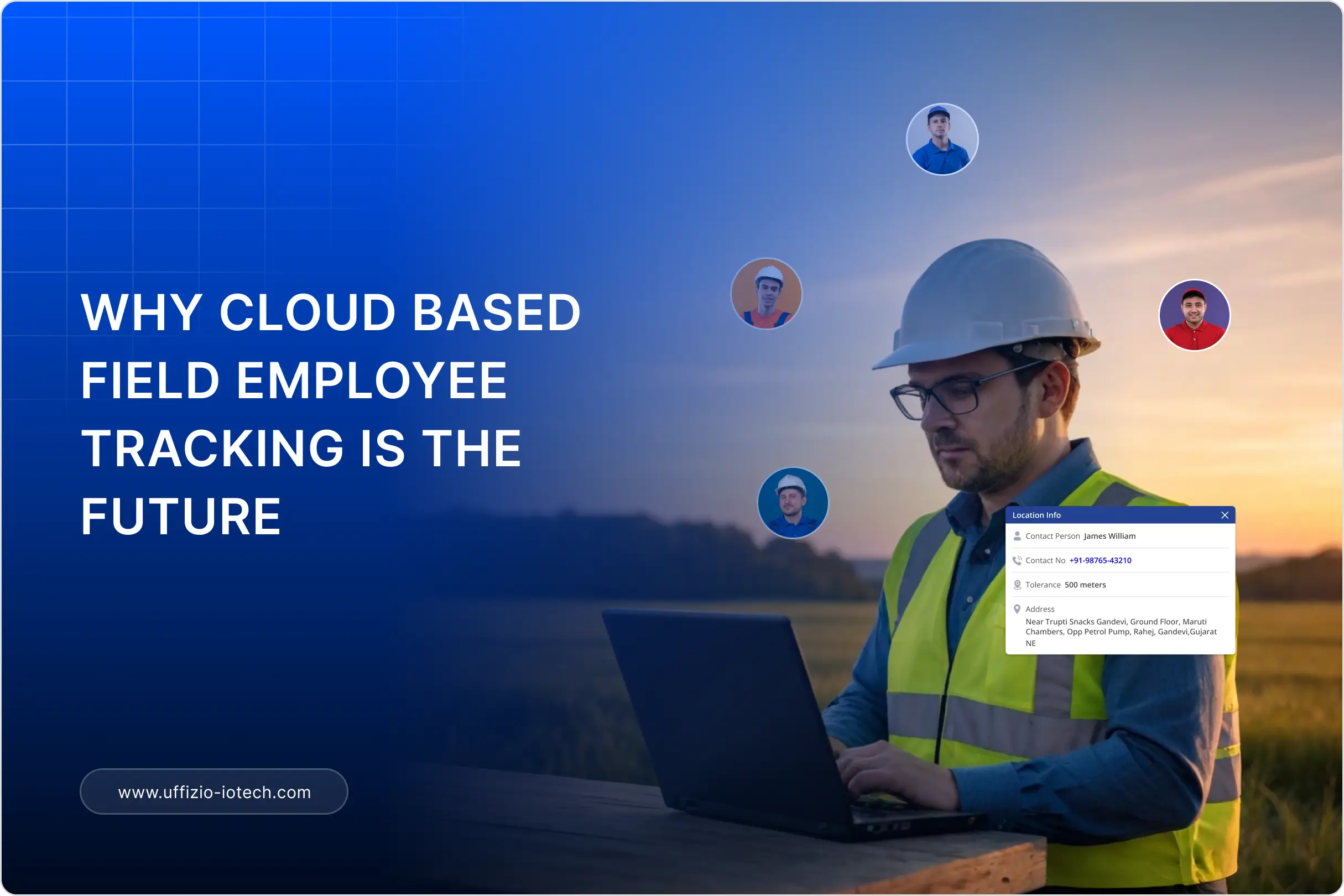
When teams are scattered across multiple locations, it’s hard to know what’s happening on the ground. Without GPS or live tracking, managers are left guessing.
2. Poor Communication
In remote or low-network areas, communication can break down. If a field employee needs help, how quickly can the team respond?
3. Inadequate Safety Training
Many field employees are given tools but no real safety training. That’s like handing someone a car without teaching them to drive.
4. No Emergency Protocols
What happens in case of an accident, an attack, or a vehicle breakdown? If the answer isn’t crystal clear, that’s a red flag for field workforce safety.
Field Staff Safety Needs a Tech Upgrade
Let’s face it—old-school safety checklists and manual logs don’t cut it anymore.
Smart businesses are investing in:
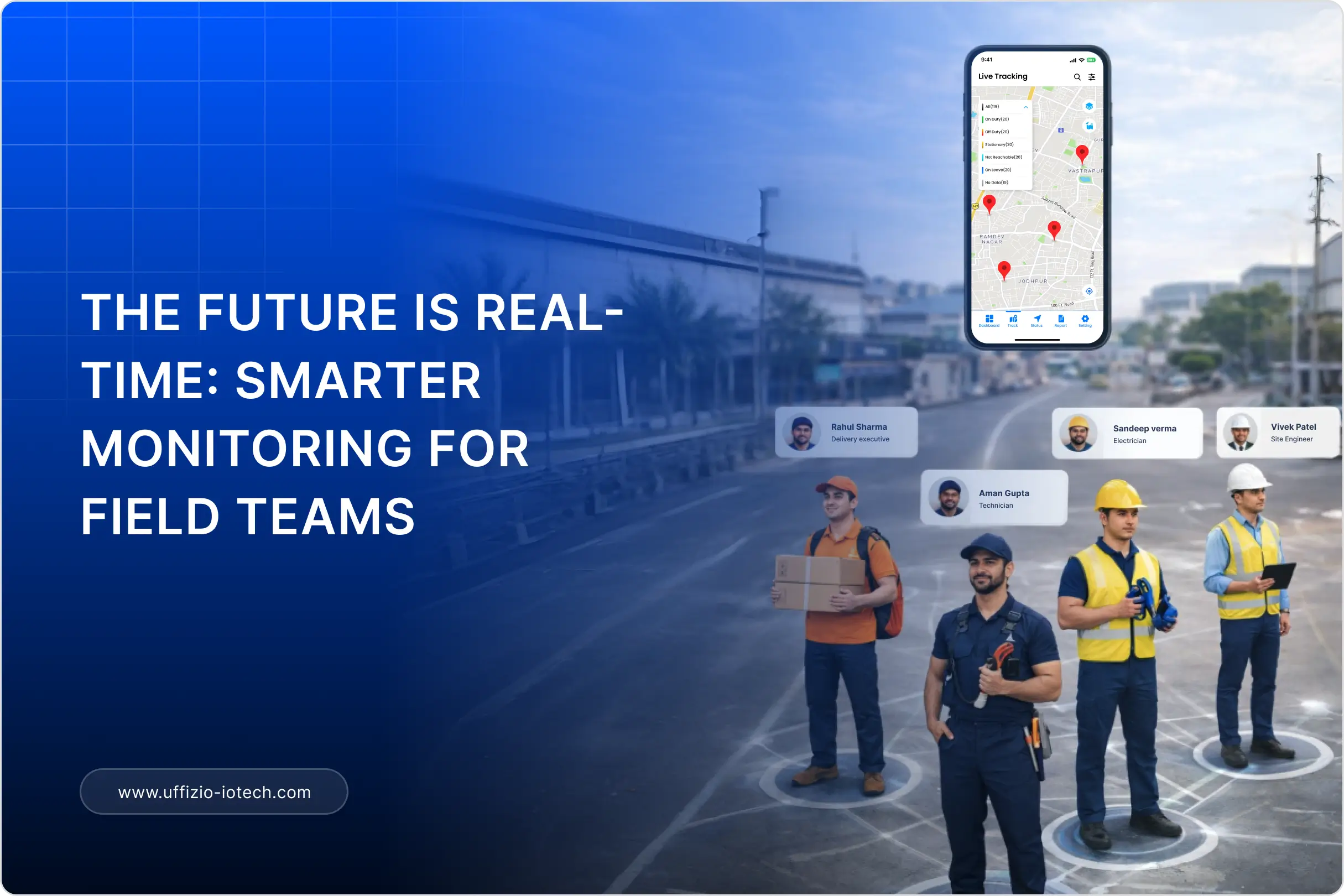
- Live tracking systems
- SOS alerts
- Geo-fencing and route deviation notifications
- Two-way communication tools
- Digital attendance and check-in systems
These tools do more than protect—they empower. They allow companies to act fast, respond smart, and avoid preventable disasters. Tech isn’t replacing safety—it’s reinforcing it.
Real-Life Impact of Ignoring Field Staff Safety
Let’s consider a few real examples:
- A utility company in India faced a ₹20 lakh penalty after a technician was electrocuted on duty, with no PPE and no backup crew nearby.
- A courier driver in the U.S. was attacked in a suburban neighborhood—he had no way to send a distress alert.
- A maintenance worker in Africa suffered heat stroke while inspecting telecom towers. There were no hydration breaks and no wellness tracking.
Each of these situations could’ve been avoided with basic field staff safety protocols.
How to Build a Strong Field Staff Safety Culture
You don’t need a massive budget to build a safety-first culture. You need commitment and smart strategies.
1. Make Safety Everyone’s Responsibility
From top-level management to interns, everyone should know that field staff safety is a shared goal. Set the tone from the top.
2. Train. Then Train Again.
One-time safety drills aren’t enough. Conduct regular workshops, refreshers, and scenario-based training.
3. Make Reporting Compulsory
Many incidents go unreported because employees fear backlash. Build a transparent environment where raising a concern is seen as courageous, not inconvenient.
4. Reward Safe Behavior
Turn safety into a KPI. Celebrate crews that report hazards, follow protocols, and complete jobs safely.
Field Staff Safety: Tech Tools That Help
Here’s a quick checklist of tools making a big difference:
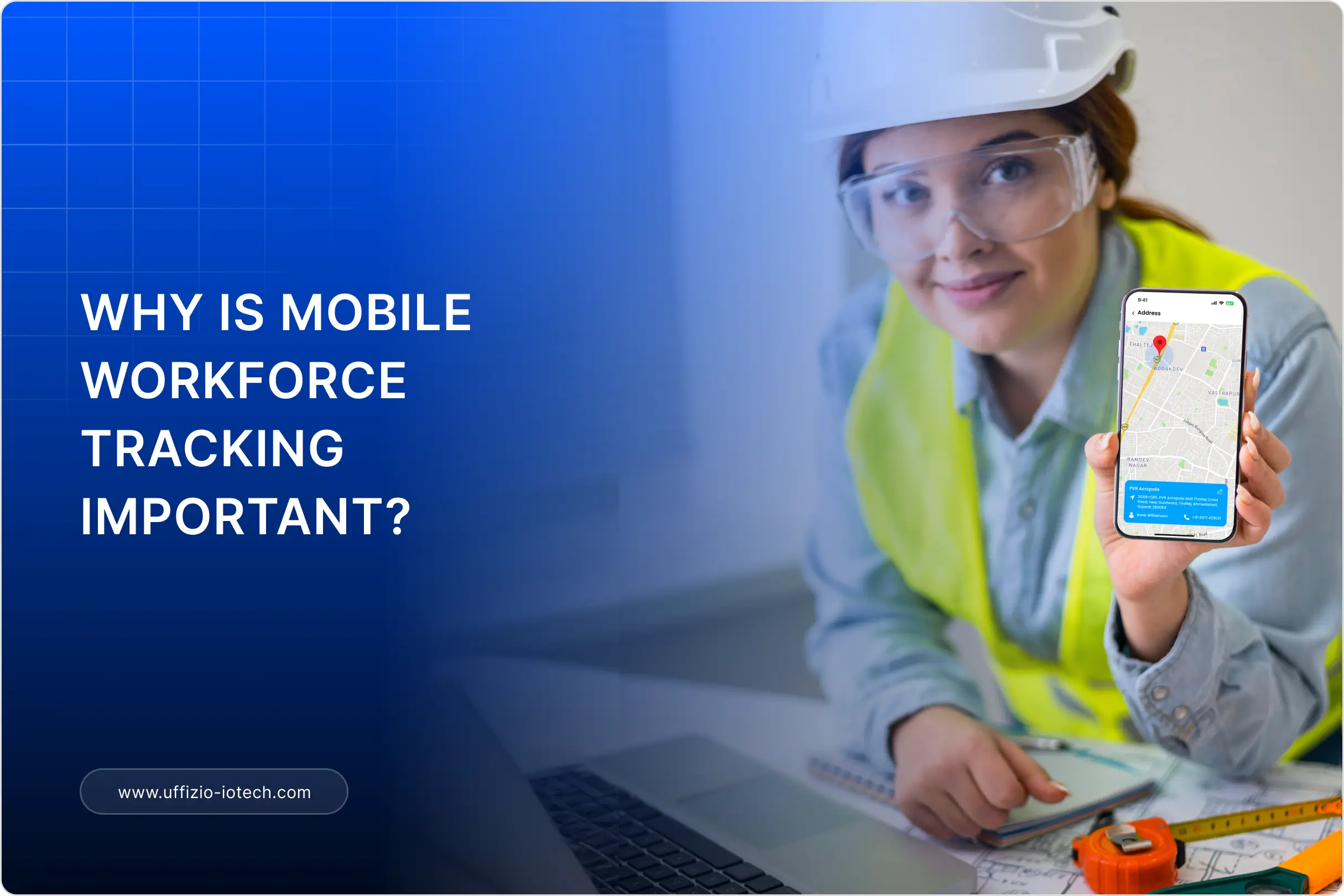
- Field tracking apps: Know where your employees are at all times.
- Digital SOS alerts: Allow staff to raise alarms instantly.
- Offline check-ins: Ensure even remote workers can log updates.
- Wearable devices: Monitor vitals, location, and motion.
- Voice notes and chat tools: Keep the communication alive, even on the move.
- Remember: Investing in field staff safety tools is cheaper than paying for accidents.
Benefits of Prioritizing Field Staff Safety
You’re not just avoiding risk—you’re gaining so much more.
- Lower employee turnover: Safe workers stick around longer.
- Higher productivity: Confident teams get more done.
- Fewer legal headaches: Compliance keeps regulators happy.
- Better company image: Safety-conscious brands build trust.
When workers feel valued and protected, they give their best.

Final Thoughts: It’s Not Just a Policy—It’s a Promise
At the end of the day, field staff safety isn’t just a checkbox on a compliance form. It’s a statement: We care.
Your field staff are your front-liners. They represent your brand, interact with your clients, and keep operations running smoothly. If they’re unsafe, your business is at risk.
Don’t wait for a tragedy to take field staff safety seriously. Start now. Keep your people safe, and your business will thrive.