Managing field staff has never been easy. Your clients deal with late arrivals, unclear attendance, and productivity dips—day in and day out. As a system integrator, you are always looking for innovative tools to solve these pain points. That’s where geofencing for field staff steps in.
Geofencing for field staff is a location-based technology that creates virtual boundaries around job sites to automatically track employee attendance, movement, and activity in real time.
In simple terms, geofencing is a virtual perimeter around a specific geographic location. When a mobile device enters or exits that boundary, it triggers pre-set actions. Now, imagine combining this technology with workforce management.
What you get is a powerful field workforce tracking solution that provides visibility, accountability, and automation.
Let’s explore why this should be your next integration pitch.
What is Geofencing for Field Staff?
Geofencing for field staff is a GPS-based system that creates virtual boundaries around work locations. When employees enter or exit these zones, their attendance is automatically recorded, and managers receive real-time updates. It helps businesses improve workforce tracking, accountability, and operational efficiency.
Why Geofencing for Field Staff is Essential for Workforce Tracking
When you propose geofencing for field staff, you’re not just selling a feature—you’re selling peace of mind. You’re offering your clients a way to monitor employees in real time, eliminate manual check-ins, and ensure compliance without micromanaging.
Here’s what happens when there’s no geofencing:
- Employees arrive late but still mark themselves present
- Supervisors waste time chasing updates
- Clients complain about service delays
- The entire chain of accountability breaks down
Now, imagine all that resolved by drawing a virtual boundary. When a staff member enters the job site, attendance is automatically recorded. If they leave early, managers are notified. It’s simple, accurate, and fully automated.
How Geofencing for Field Staff Works in Real-Time
Let’s say your client is a facility management company. Hundreds of janitors, security guards, and technicians are spread across multiple locations.
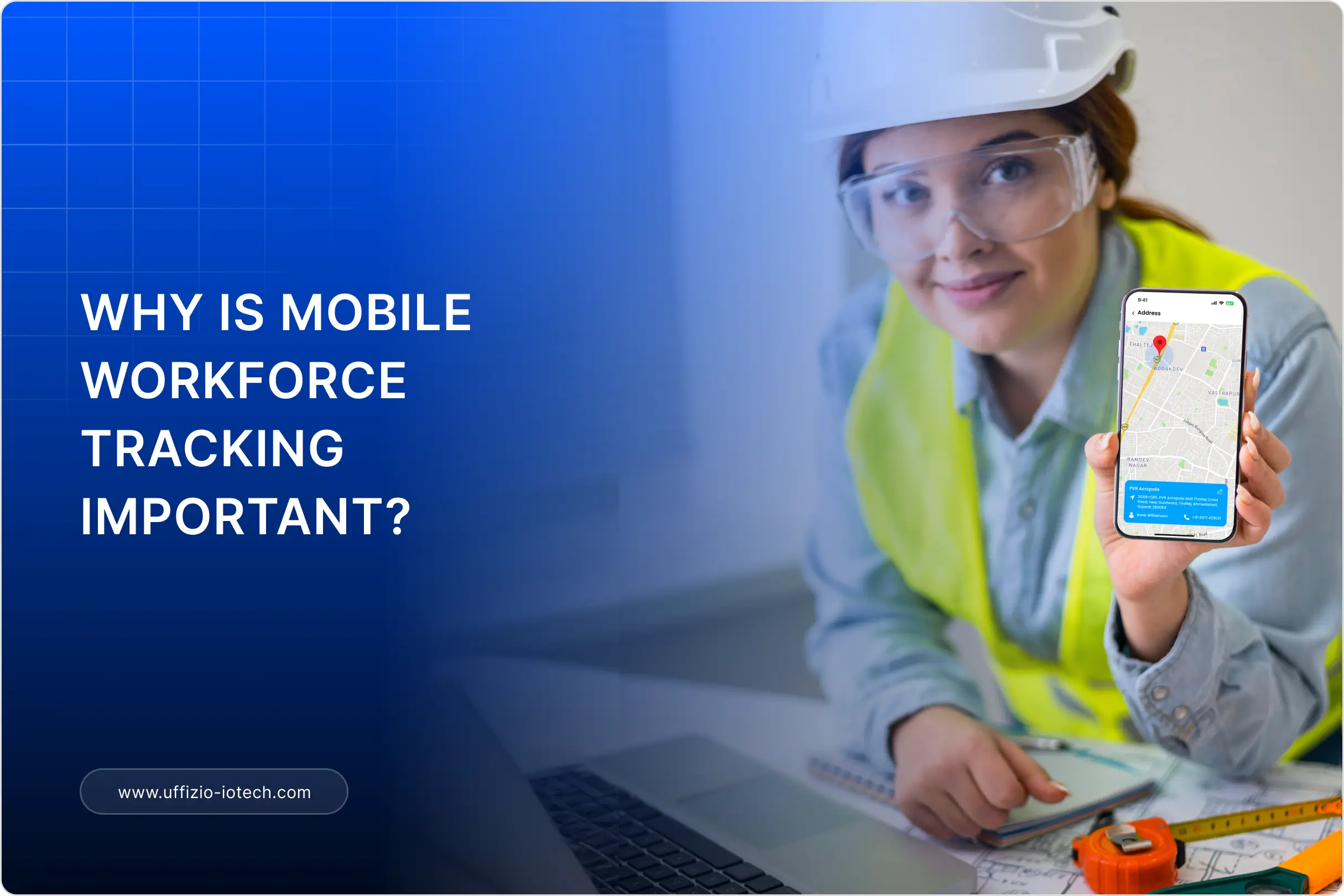
You integrate a geo attendance system. Each site is mapped with a virtual fence. Field employees are tracked via their mobile devices. The app logs their location and time when they enter or leave a site.
Now, managers don’t need to call or guess who’s on-site. They get real-time updates with precise timestamps. It’s not just about tracking—it’s about transforming how teams are managed.
What Makes It a Great Value Add for System Integrators
System integrators thrive when they deliver solutions that create real business impact. With geofencing for field staff, you’re doing exactly that.
1. High Demand, Low Complexity
Geofencing is in demand across industries—construction, telecom, security, utilities, and more—yet it’s relatively easy to integrate.
2. Improve Client Retention
When your solution solves daily operational issues, clients stick with you longer.
3. Scalable Offering
It often starts with geofencing and expands into task management, analytics, internal communication, and asset tracking.
4. Recurring Revenue Potential
Many platforms offer SaaS-based pricing, giving you consistent recurring income.
5 Use Cases That Sell Themselves
1. Logistics
Automatic check-ins at depots and delivery zones. No more constant calls for updates.
2. Construction
Validate worker presence across multiple sites without deploying supervisors everywhere.
3. Utility Services
Track technicians and meter readers, identify idle time, and optimize routes.
4. Facility Management
Ensure cleaning staff reach client locations on time.
5. Security Services
Receive real-time alerts when guards enter or leave assigned zones.
Each of these scenarios highlights the power of geofencing employee tracking in real-world operations.
Addressing Privacy & Permissions
Yes, geofencing involves location tracking—and clients may raise concerns.
The good news: modern platforms are built with compliance and privacy in mind.
- Employees can opt in
- Data is encrypted
- Tracking can be limited to work hours
As a system integrator, your role is to choose ethical platforms and educate clients. When positioned around safety, efficiency, and transparency, it becomes a win-win.
Key Features in a Geofencing for Field Staff Solution
Not all solutions are equal. Look for platforms that offer:
- Auto attendance based on geo-entry/exit
- Real-time alerts for boundary breaches
- Customizable radius for each site
- Integration-friendly APIs
- Battery-optimized mobile apps
- Audit logs for compliance
- Offline tracking support
These features strengthen your field workforce tracking offering and ensure long-term usability.
How to Pitch Geofencing to Your Clients
Keep it simple and focused on real problems.
Ask questions like:
- “Are you sure your field workers reach job sites on time?”
- “How do you currently verify attendance?”
- “Do supervisors spend too much time tracking employees?”
Once they highlight their challenges, introduce geofencing for field staff as the solution.
Show a demo. Highlight real-time logs. Emphasize the cost of inefficiency—delays, errors, and unhappy clients.
The Competitive Edge for System Integrators
System integrators who adopt geofencing early stand out.
You move beyond being a service provider—you become a strategic partner. You’re solving measurable problems, not just installing systems.
And once clients experience geofencing, they often look for more automation—route optimization, dashboards, even AI-based scheduling.
It all starts with one virtual fence.

Wrapping Up
Geofencing for field staff is no longer optional. It’s essential for managing a modern mobile workforce.
For system integrators, this is an opportunity to offer a solution that is:
- Easy to implement
- High in demand
- Valuable for clients
Start integrating geofencing for field staff today and transform how businesses manage their workforce.