Let’s be honest—field workforce management challenges are a major issue for most organizations. Clients juggle no-shows, miscommunication, delayed updates, and clunky paper-based processes.
If you’re a system integrator working with clients who rely on mobile teams—whether in telecom, utilities, logistics, or security—you’ve likely seen these challenges firsthand. But these challenges are also golden opportunities.
By offering the right tools and integrations, you don’t just solve client problems—you position yourself as a long-term technology partner. In this blog, we’ll break down the common field workforce management challenges, show you how to pitch solutions, and explain why system integrators are uniquely positioned to win in this space.
Top Field Workforce Management Challenges
The most common field workforce management challenges include:
- Lack of real-time visibility
- Scheduling inefficiencies
- Poor communication
- Inaccurate attendance tracking
- Accountability gaps
- Customer dissatisfaction
- Disconnected systems
What Are Field Workforce Management Challenges?
If your clients mention any of the following, they’re dealing with major field workforce or mobile workforce management challenges:
- Technicians are not showing up on time
- Missed jobs due to a lack of communication
- Managers are drowning in calls and manual updates
- Zero visibility into field activities
- Customer complaints due to delays or poor execution
These are just a few examples of field service management challenges that system integrators can help solve. As workforces become more distributed in 2026, these problems will only grow more complex.
Why System Integrators Should Pay Attention
The question isn’t if your clients are facing field workforce issues—it’s how bad the impact is. For system integrators, this represents a clear value proposition. When you solve field workforce management challenges, you don’t just provide a product—you unlock efficiency, transparency, and profitability for your clients.
More importantly, you create new streams of recurring revenue, strengthen client relationships, and expand your integration portfolio with tools like task management, geofencing, mobile attendance, and analytics.
According to industry insights, over 60% of field service businesses struggle with real-time visibility—making this a critical opportunity area.
How to Solve Field Workforce Management Challenges in 2026
Let’s explore the most common issues—and how system integrators can step in with practical, scalable solutions:
1. No Real-Time Visibility
Many clients struggle to know where their teams are or what they’re working on at any given moment.
Integrator Solution:
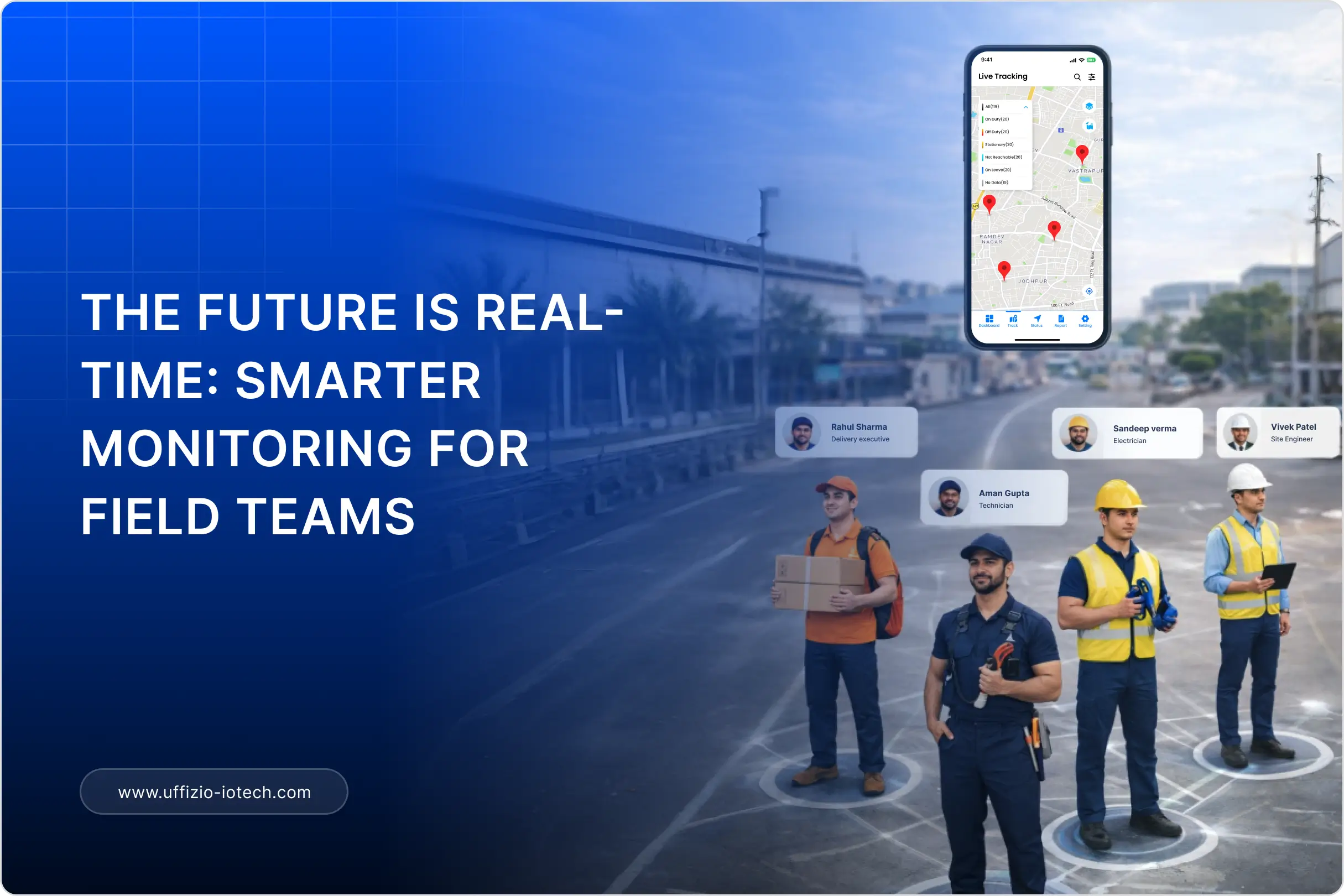
Implement GPS-based tracking and real-time dashboards. Help clients integrate mobile workforce apps that show job status, location, and task progress in real time. Visibility eliminates blind spots—and builds trust.
2. Scheduling Chaos
Manual scheduling leads to double-bookings, gaps, and frustrated employees.
Integrator Solution:
Deploy intelligent scheduling systems that allow auto-assignment based on availability, skill set, and location. Make it easier for managers to drag, drop, and adjust schedules on the fly.
3. Poor Communication
Disjointed communication across WhatsApp groups, phone calls, and emails creates confusion.
Integrator Solution:
Offer in-app communication solutions that centralize updates, instructions, and notifications. Real-time chat and push alerts reduce misunderstandings and save time.
4. Inaccurate Attendance Records
Paper logs or self-reported timesheets are outdated and easy to manipulate.
Integrator Solution:
Integrate geofencing-based attendance solutions. When field staff enter or exit a job site, their time is automatically logged—no manual inputs needed.
5. Accountability Gaps
When tasks aren’t tracked properly, it’s hard to tell what was done, when, or by whom.
Integrator Solution:
Deploy tools that include digital checklists, job completion photos, signatures, and time stamps. These records improve performance and simplify reporting.
6. Customer Complaints
Delayed service, incomplete jobs, and poor communication lead to bad reviews and lost business.
Integrator Solution:
Enable real-time updates to customers via SMS or email. Let field agents access job histories, notes, and instructions—all from their mobile device.
7. Disconnected Systems
One of the biggest field workforce management challenges is dealing with siloed tools.
Integrator Solution:
Build unified systems or offer middleware that connects HR, scheduling, dispatch, and reporting into one platform.
Why Technology Is the Key
Tech is no longer optional—it’s essential. As a system integrator, you’re in the perfect position to deploy solutions that address field workforce management challenges.
Here’s what to look for in a strong tech stack:
- Mobile-first design
- Live tracking features
- Auto-attendance with geofencing
- Real-time alerts and updates
- Task automation and history tracking
- Data analytics and performance dashboards
- API-friendly integrations
With the right tools, clients can move from reactive firefighting to streamlined operations.
The Price of Doing Nothing
- Lost revenue due to inefficiency
- Low team morale from unclear workflows
- Frustrated customers
- Manager burnout
- Compliance risks from inaccurate records
These hidden costs make a strong case for investing in better systems.
Who Can You Help?
Field workforce management challenges exist across industries like:
- Telecom & Cable Installation
- Utilities (Water, Power, Gas)
- Home Services (HVAC, Plumbing, Electrical)
- Security Services
- Delivery & Logistics
- FMCG Distribution
Recasting the Challenge
Solving field workforce management challenges isn’t about control—it’s about empowerment.
With better tools, teams perform more efficiently, complete tasks faster, and deliver better customer experiences—without constant supervision.

Final Thoughts for System Integrators
Field workforce management challenges aren’t going anywhere. But businesses that solve them today will lead tomorrow.
As a system integrator, you have the expertise to drive this transformation.
Start by asking:
“What would it mean for your business if your entire field team ran like clockwork?”
Then show them how.