

The utility and energy industry is critical for maintaining the infrastructure that powers our homes, businesses, and cities. This sector includes electricity, water, and gas services, all of which require extensive fieldwork for maintenance, repairs, and installations.
Inefficient Task Scheduling: Scheduling conflicts and inefficient task assignments lead to missed appointments and customer dissatisfaction.
Lack of Real-time Tracking: Inability to track technician locations causes delays and increased fuel costs.
Poor Communication: Slow communication methods cause delays and miscommunications.
Difficulties with Leave and Attendance Management: Manual leave and attendance management cause understaffing and overwork.
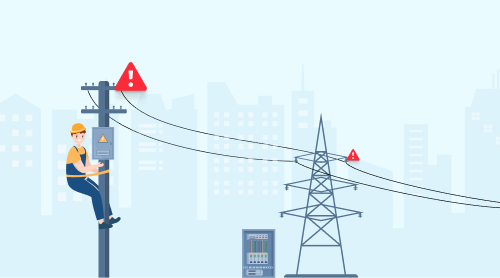
Task Assignment and Management: Provides detailed work orders and safety protocols.
Real-time Location Tracking: Monitors technician locations and optimizes routes.
Communication Tools: Enhances communication between technicians, dispatch centers, and customers.
Asset Management Integration: Tracks maintenance history and alerts for upcoming needs.
Leave management: Digital leave requests and attendance tracking streamline the process.
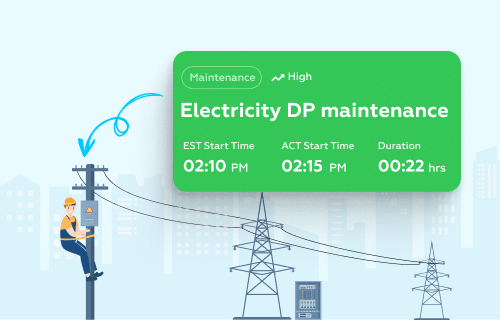
Enhanced Service Quality: Ensures timely and effective task completion.
Regulatory Compliance: Maintains compliance with safety and regulatory standards.
Better Communication: Improves coordination and response times.
Asset Longevity: Proactive maintenance reduces downtime.
Customer Satisfaction: Leads to higher customer satisfaction and trust.




Loading...