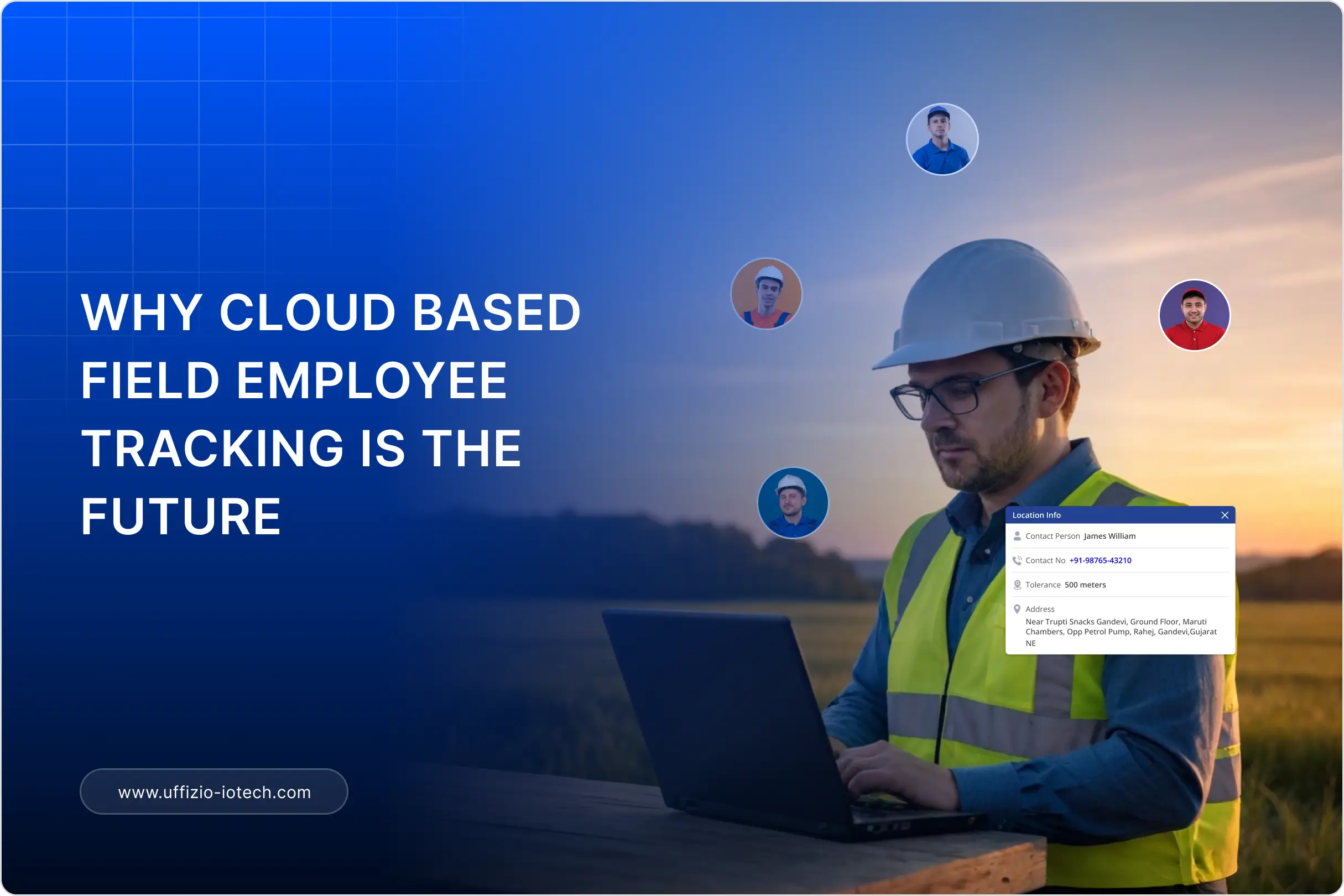
Why track field employees? Tracking field employees using GPS and mobile apps improves real-time visibility, boosts productivity, ensures safety, reduces errors, and enhances customer satisfaction.
Field teams are the lifeblood of many businesses. They’re constantly on the move, solving problems, closing deals, and keeping operations alive outside the office. But here’s the hard truth: how can you manage your team effectively if you can’t see them in action?
That’s why more and more companies are choosing field employee tracking—not to micromanage, but to support teams, streamline operations, and eliminate daily chaos by knowing who’s where, doing what, and when.
What Does It Mean to Track Field Employees?
Tracking field employees means using digital tools such as GPS and mobile apps to monitor location, tasks, and activity in real time.
In simple terms: when you track field employees, you gain visibility into your workforce, enabling better management of operations, resources, and client interactions.
Here’s Why Businesses Should Track Field Employees
1. Real-Time Visibility When You Track Field Employees
Imagine managing a team of 30 field executives across 10 cities. You rely on manual check-ins, scattered updates, and late-night report submissions. Sound familiar?
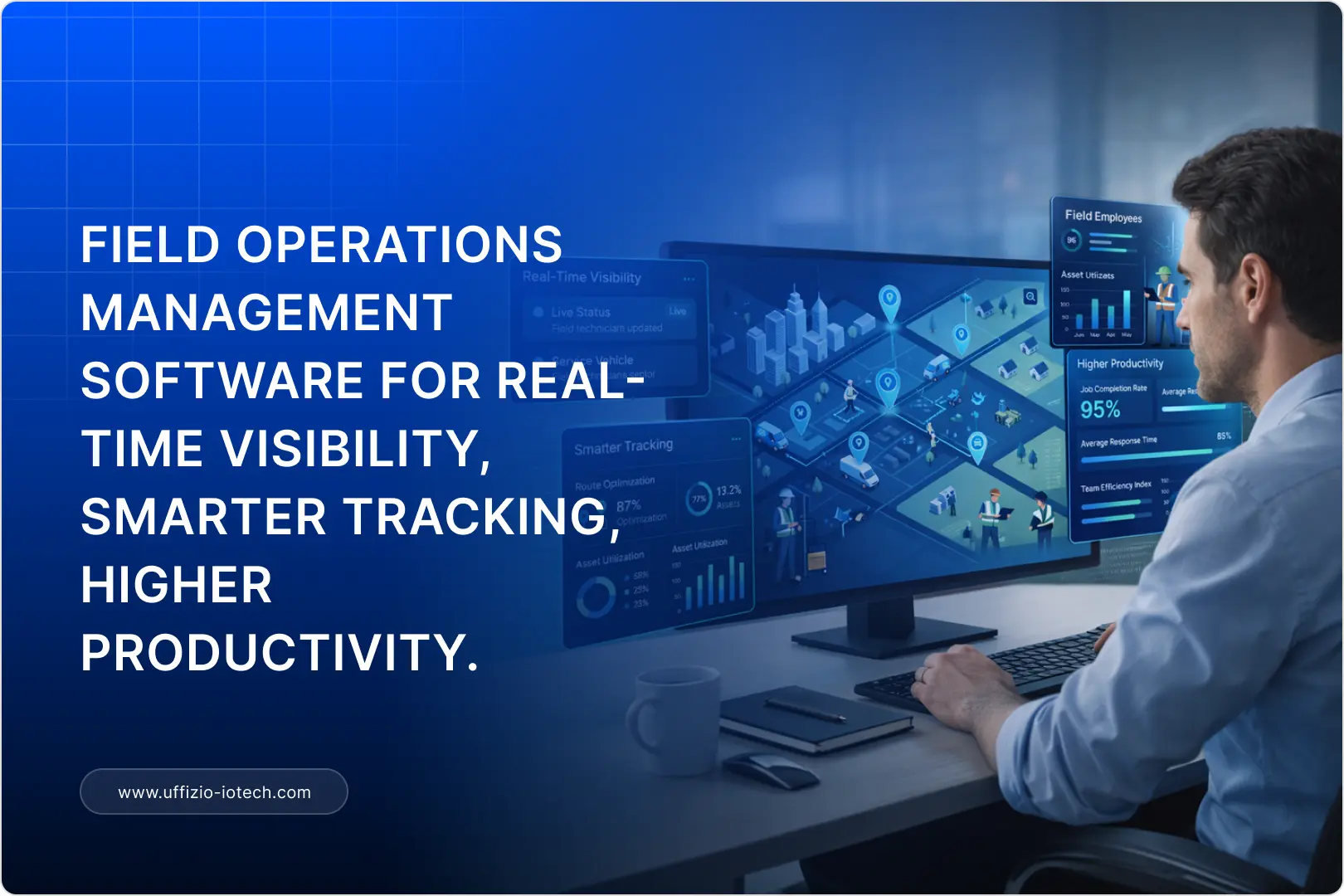
Now imagine seeing who’s working, where they are, how long they’ve been at a location, and what they’ve completed—all in real time.
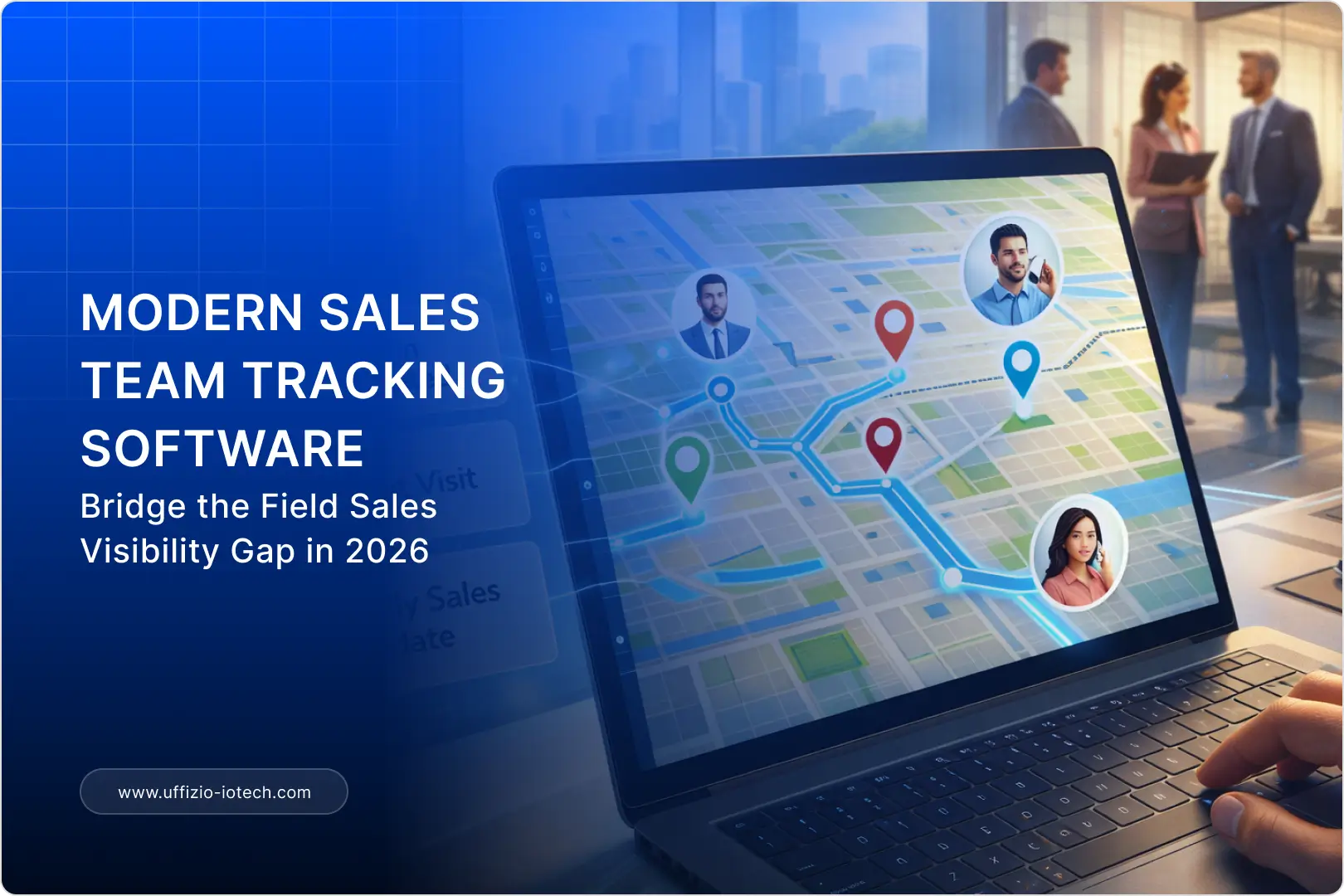
You gain a live map of your operations—like switching from a blurry black-and-white photo to full HD. Suddenly, you know how to allocate resources, respond to urgent needs, and support the team better.
Visibility brings clarity, and clarity drives better decisions.
2. Boost Productivity Without Micromanagement
The goal isn’t surveillance—it’s support.
When you track field employees using GPS-based apps or workforce tools, tasks become more structured, workflows smoother, and employees more empowered. The system handles distractions and inefficiencies automatically.
Benefits include:
- Auto task assignments
- Route optimization
- Real-time reminders
- Fewer delays and overlaps
The result? Higher output without forcing anyone to hustle harder than they should.
3. Reduce Time Theft and Manual Errors
Without tracking, minor “adjustments” like fake check-ins, buddy punching, or exaggerated hours can sneak in. Over time, these reduce efficiency and increase costs.
Field tracking tools with geolocation tagging and smart attendance tracking provide:
- Accurate work hours
- Verified client visits
- Transparent data for managers
This protects your business while rewarding honest workers.
4. Stronger Customer Experience
Scenario: A client calls, frustrated that a technician hasn’t shown up. You have no idea where he is—panic ensues.
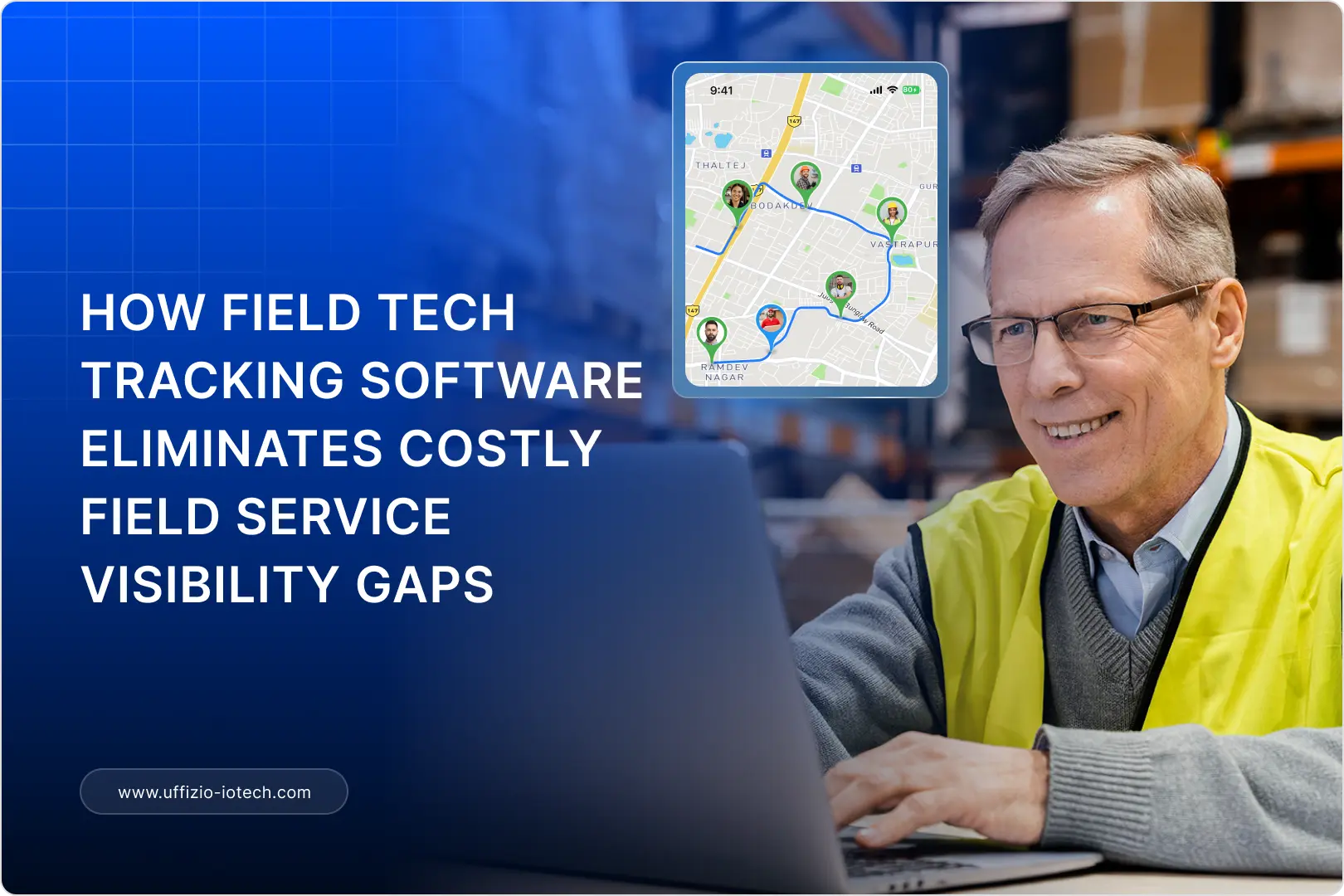
Flip it: With a field tracking system, you see the technician’s exact location and arrival time. You can update the client proactively, reroute help if necessary, and provide faster service.
Outcome: Improved client trust, satisfaction, and loyalty.
5. Better Planning and Smarter Forecasting
Tracking field employees generates a goldmine of operational data:
- Regions needing more coverage
- Employees handling workload efficiently
- Bottlenecks slowing service cycles
- Optimal task distribution
With this data, you anticipate problems instead of reacting, enabling strategic decision-making.
6. Safety First—Always
Fieldwork can be unpredictable. Accidents, emergencies, or health issues may occur anytime.
Tracking solutions provide:
- Live GPS location
- SOS alerts
- Quick emergency response
Result: Employees feel safer, which boosts morale and loyalty.
7. Accountability Without Micromanagement
Technology replaces constant check-ins. Tracking systems act as a neutral source of truth:
- Clear expectations and pending tasks
- Reduced finger-pointing
- Self-accountability supported by real-time visibility
Everyone works efficiently without unnecessary oversight.
8. Simplified Reporting and Compliance
Traditional reporting can take hours. With tracking systems:
- All activities are auto-logged
- Attendance, travel, and task completion recorded automatically
- Reports ready for audits or reviews instantly
This saves time and ensures compliance in regulated industries.
9. More Trust, Less Stress
Field operations are stressful. Managers worry about blind spots; employees worry about mistrust.
Tracking tools create transparency:
- Shared facts for all
- Reduced stress and disputes
- Improved workplace culture
Benefits of Tracking Field Employees
| Benefit | How It Helps |
|---|---|
| Real-Time Visibility | Know who’s working, where, and progress at any moment |
| Productivity | Streamline tasks, auto-assign work, optimize routes |
| Accuracy | Eliminate time theft, manual errors, and fake check-ins |
| Customer Satisfaction | Provide faster, informed responses and updates |
| Safety | Monitor field staff, respond to emergencies quickly |
| Planning | Gather data for better resource allocation and forecasting |
| Accountability | Promote self-management without micromanagement |
| Reporting | Auto-generated reports save hours and ensure compliance |
| Trust & Morale | Transparent processes reduce stress and build trust |
Key Takeaways
Tracking field employees helps businesses:
- Improve real-time visibility
- Reduce delays, errors, and time theft
- Boost productivity without micromanagement
- Enhance customer service and response times
- Enable better planning and decision-making
Final Thought
Tracking field employees isn’t about policing—it’s about eliminating chaos and giving everyone the tools to succeed.
When implemented correctly, it brings:
- Operational clarity
- Real-time coordination
- Accurate reporting
- Fairer evaluations
- Happier clients
Whether you run a growing service business, a logistics firm, or a nationwide provider, if you have a field team, the time to track field employees effectively is now.